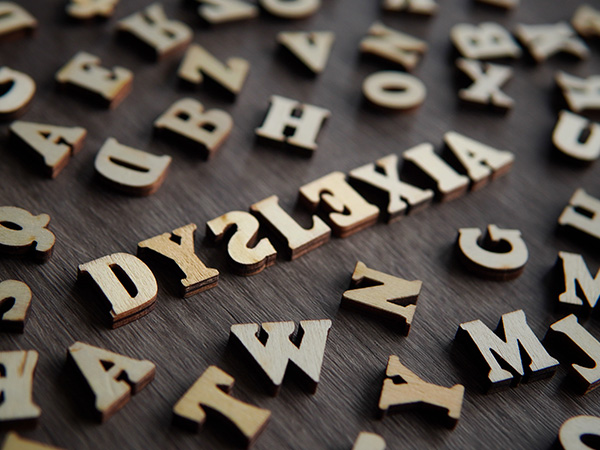
Poetry, Dyslexia & Neurodiversity

We believe that language, creativity and communication belong to everybody.

We all read, listen, imagine and express ourselves in different ways. For some people, words arrive most easily through sound, rhythm, pictures or stories rather than long blocks of text. Poetry can be a welcoming place to explore those differences. It offers playful language, memorable patterns and room for individual voices. This page looks at poetry, dyslexia and neurodiversity, and how poems can support creativity, confidence and enjoyment.



What Is Neurodiversity?

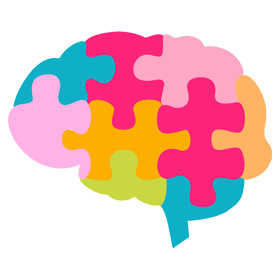
Neurodiversity is the idea that there is natural variation in the ways human brains work. People may process language, information, sensations, attention and emotions differently. Every person's experience is individual, and neurodiversity can include dyslexia, ADHD, autism, dyspraxia, dyscalculia and Tourette Syndrome, among many other differences.

Neurodiversity is not a measure of intelligence, ability or worth. It is a way of recognising that there is no single “right” way to think, learn or communicate.
 

poetry in

What Is Dyslexia?

Dyslexia is a learning difference that can affect reading, writing and spelling. It affects everyone differently and is not connected to intelligence. Some people may find reading fluency, spelling, sequencing, remembering written information or confidence in writing more challenging.

At the same time, many dyslexic people have strengths in creativity, imagination, visual thinking, storytelling, empathy, problem-solving and seeing the bigger picture. Dyslexia and poetry can therefore be a particularly enjoyable combination, because poetry makes space for ideas as well as accuracy.


Why Poetry Can Feel More Accessible Than Other Forms of Writing

Poetry does not have to follow the same rules as an essay, report or story. A poem can be one line or one hundred; it can rhyme, use rhythm, repeat a favourite word or simply describe an image. This freedom can make accessible poetry feel less pressured for readers and writers who find conventional written tasks difficult.

Shorter pieces can be easier to return to, read aloud and enjoy in small sections. Poetry often values sound, feeling and imagination over perfect grammar. For children's poetry and dyslexia, this can help make language feel like a creative playground rather than a test.


Creativity Beyond Spelling

Spelling matters in some situations, but it does not need to stop a poem from beginning. A wonderful image, a funny idea or an honest feeling is the heart of a poem. Editing can always happen later, with support where needed.

At Pen and Brush, we celebrate the imagination behind the words.


Poetry tips for dyslexic writers

For poetry for dyslexic children and adults alike, it can help to:

  • Write a first draft freely.
    Let the ideas come before worrying about punctuation or spelling.

  • Speak the poem first.
    Record it on a phone, tell it to someone else or use speech-to-text software.

  • Use helpful technology.
    Spellcheckers, text-to-speech tools and coloured overlays may make writing easier.

  • Edit in stages.
    Return to the poem later, when there is more time and less pressure.

  • Ask for trusted support.
    A friend, teacher, parent or editor can help polish a poem while keeping its original voice.


Poetry as Self-Expression, Finding Your Voice Through Poetry

A poem can hold a thought that is hard to explain in ordinary conversation. It can be funny, angry, dreamy, confusing, joyful or quiet. People can write about personal memories, favourite animals, friendships, hopes, worries, identity, made-up worlds and everyday moments.

Poetry for neurodiverse children can be especially useful because there is no need for every writer to describe an experience in the same way. One person may write about a feeling through colour; another may use the sound of rain, the movement of a train or the character of an eagle.


Building Confidence

Finishing even a short poem can create a real sense of achievement. There is no need to compare one poem with another. Every voice, phrase and image can be valued.


Encouraging Reflection

Writing can give us time to notice what we think and feel. A poem may help us understand an experience, record a memory or look at a familiar thing in a new way.

Celebrating Individuality

Different ways of seeing the world can lead to fresh, surprising poems. Individual observations often make writing memorable. A poem does not need to sound like anyone else's work to be meaningful.


Poetry and Wellbeing, The Emotional Benefits of Writing Poetry

Creative writing may support wellbeing by giving people a safe way to process emotions, share experiences and feel heard. Some people find that writing or reading poetry helps them slow down, reflect and reduce stress. Others simply enjoy the fun of rhyme, wordplay and storytelling.

Poetry is not a replacement for professional mental-health or educational support, but it can be a positive creative activity alongside it. Reading poetry with dyslexia can also build confidence by making reading feel more manageable, social and enjoyable.


Tips for neurodivergent writers

Tips for Neurodivergent Writers

  • Start With One Image

    Choose something you can see: a bird on a fence, a muddy shoe, moonlight on a window or a sleeping cat. Describe its colour, shape, sound or movement. One clear image can grow into a poem.

  • Write Without Editing

    Give yourself permission to write quickly and messily. Ignore spelling, grammar and neatness at first. The important thing is catching the thought before it disappears.

  • Read It Aloud

    Poetry is made to be heard as well as read. Read your words aloud, whisper them, clap the beat or ask someone else to read them. Listening can reveal a poem's rhythm.

  • Use Your Own Experiences

    Write about things that matter to you. Personal observations, favourite places, funny family moments and strong feelings can all become powerful material.

  • Keep a Notebook or Voice Note

    Ideas can arrive anywhere. Keep a small notebook, sketchbook or voice-recording app nearby. A single unusual word can become the start of a new poem.


Try Different Poem Styles

Haiku

A haiku is a very short poem, often inspired by nature or a moment of noticing. Traditional haiku use a syllable pattern, but beginners can simply focus on creating three clear, image-rich lines.

Free Verse

Free verse has no fixed rhyme scheme or rhythm. It is ideal for writers who want freedom to follow their own thoughts, sounds and line lengths.


Rhyming Poems

Rhymes can be funny, musical and satisfying to read aloud. They do not have to be perfect. Try making pairs of words that sound similar, then build a playful poem around them.
 

Acrostics

Write a word vertically down the page, then begin each line with one of its letters. An acrostic poem is a helpful structure when a blank page feels too open.


Nature Poems

Animals, weather, trees, gardens and changing seasons offer endless inspiration. Our animal poems at Pen and Brush can be a starting point for noticing the natural world and creating your own descriptions.


Explore Our Poems

We invite you to explore the growing collection of poems.

Our poems for children include animal poems, humorous poems, serious poems and love poems, with simple pages designed for browsing, reading and listening. Choose a poem to enjoy aloud, look at the accompanying artwork, follow an animal fact link or download a colouring activity where available.

Whether you are choosing poetry for a dyslexic child, sharing a poem with a young reader or looking for a new creative spark, we hope there is something here to make you smile, think and imagine.


Read it. Hear it. See it. Learn from it.

Explore Our Poems 

Poetry, Dyslexia & Neurodiversity 


Art &
Neurodiversity 

Performing Arts & Neurodiversity